


If you train regularly, play a sport, or work out on weekends, your body needs structured recovery, not just rest days. Sports massage in HSR Layout is built for this — it targets the muscle fatigue and tightness that come from physical training and supports the body's recovery process between sessions. At Dhara Spa, this is delivered through our Deep Tissue Massage technique, built to work on the deeper muscle layers that regular training puts under strain. This post covers what sports massage involves, who it suits, and how it fits into a training routine.
What Is Sports Massage?
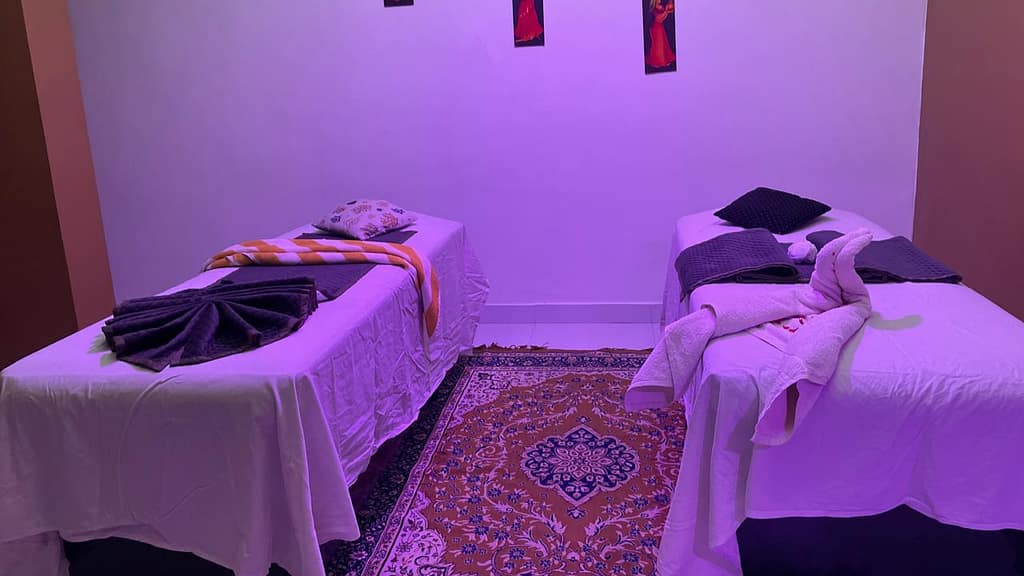
Sports massage is not a separate treatment name on our menu — at Dhara Spa, sports massage in HSR Layout is delivered through our Deep Tissue Massage, the technique built specifically for muscle recovery work. It differs from a standard body massage in HSR Layout aimed at general relaxation; sports massage is structured around targeted physical recovery.
How It Works
Deep tissue technique uses firm, focused pressure on specific muscle groups rather than the lighter, full-body strokes used in general relaxation massage. The therapist works into the deeper layers of muscle tissue where tension builds up from repeated physical activity.
What It Targets
Training puts repeated stress on specific muscle groups — quads and calves for runners, shoulders and back for swimmers, hips and glutes for cyclists. Sports massage focuses on these specific areas rather than treating the whole body evenly. The technique works to reduce tightness in the targeted muscles and support blood flow to the areas under the most strain.
Why Athletes and Gym-Goers Need Recovery Massage
Training breaks muscle fibers down before the body rebuilds them. Recovery is the part of that process that determines whether training translates into improvement or simply accumulates fatigue.
Muscle Soreness Doesn't Mean the Job Is Done
Delayed onset muscle soreness — the stiffness that shows up a day or two after a hard session — is common. Left unaddressed over weeks and months, that tension can accumulate and affect range of motion. Working a massage in HSR Layout into a regular training routine addresses that tension before it builds up further.
Recovery Is Part of the Training Process
Muscle rebuilding happens during recovery, not during the workout itself. Athletes and regular gym-goers who focus entirely on training volume and treat recovery as optional are addressing only half of the process. Sports massage supports the recovery half directly.
What to Expect During a Sports Massage Session at Dhara Spa
Guests booking their first sports massage in HSR Layout often want to know what the session involves before coming in.
Pre-Session Consultation
Every session starts with a short consultation. The therapist asks which sport or activity you do, which muscle groups feel tight or overworked, and whether there are any injuries or areas to avoid. This takes two to three minutes and directly shapes how the session is structured.
During the Massage
The session uses firmer, more targeted pressure than a standard relaxation massage. The therapist works through the muscle groups flagged during the consultation, spending more time on areas carrying the most tension. Pressure can be adjusted at any point during the session.
After the Session
Some mild soreness after a deep tissue session is common, similar to how a hard workout can feel the next day. Drinking water afterward is recommended, as it supports the body's general recovery process.
Who Should Get a Sports Massage?
Sports massage in HSR Layout is not limited to competitive athletes. It applies across a range of activity levels.
Regular Gym-Goers
Consistent training — weightlifting, running, or any structured workout routine — puts repeated stress on muscles even without competition involved. Regular sports massage helps manage that ongoing load before tightness accumulates over weeks.
Weekend Sports Players
Football, badminton, cricket, or any weekend sport places sudden physical demand on muscles. Because these muscle groups are often not conditioned to that specific movement pattern, soreness after weekend sports can be more noticeable than after a routine gym session. A sports massage afterward supports recovery before the next week's activity begins.
Competitive Athletes
For athletes training for events or competitions, recovery massage is typically built into a structured routine rather than used occasionally. Working with a therapist who understands training cycles helps manage fatigue across a full training block.
Sports Massage vs Regular Relaxation Massage
A common question at our spa near HSR Layout is how sports massage differs from a regular massage.
Pressure and Focus
Regular relaxation massage, such as Swedish massage, uses lighter to moderate pressure spread evenly across the full body. Sports massage uses firmer, more targeted pressure concentrated on specific muscle groups under physical strain.
Purpose
Relaxation massage is primarily about calming the nervous system and easing general stress. Sports massage is primarily about working on muscle tissue to support physical recovery. The underlying technique and intent are different, even though both are massage-based treatments.
Which One You Need
If you are not currently training for anything specific, a Swedish or aromatherapy massage from our body massage in HSR Layout menu is the more suitable option. If you train regularly or carry muscle tightness from physical activity, sports massage through our deep tissue technique addresses that specific need.
How Often Should You Get a Sports Massage?
Frequency depends on training volume and intensity rather than a fixed schedule that applies to everyone.
For Regular Training
Guests training three or more times a week generally benefit from a session every two to three weeks to manage ongoing muscle tension.
For Competition Prep
During a heavier training block leading up to an event, more frequent sessions can help manage the increased physical load. This is best discussed directly with your therapist based on your specific training schedule.
For Occasional Activity
If you play sports occasionally or train inconsistently, a session after a particularly demanding week or event is generally sufficient rather than a fixed monthly routine.
Why Choose Dhara Spa for Sports Massage in HSR Layout
Our therapists are trained across multiple massage techniques, including the deep tissue method used for sports and recovery-focused sessions. Each session begins with a consultation so the treatment reflects what the body needs that day. Beyond sports and recovery treatments, we also offer a full body massage in HSR Layout menu for guests seeking general relaxation rather than muscle-specific recovery work. Our spa in HSR Layout is open seven days a week, making it straightforward to fit recovery sessions around a training schedule.
Conclusion
Sports massage in HSR Layout is a practical addition to any regular training routine, not something limited to competitive athletes. Whether you train at the gym, play weekend sports, or are preparing for an event, structured recovery work through deep tissue massage helps manage muscle tension before it builds up. At Dhara Spa, every session starts with understanding what your body has been through that week, and the treatment is adjusted accordingly. To book a session, call us or visit our spa near HSR Layout directly.
Frequently Asked Questions
Q1: What is sports massage and how is it different from a regular massage?
Q2: How often should athletes get a sports massage?
Q3: Will a sports massage be painful?
Q4: Can beginners at the gym get a sports massage, or is it only for serious athletes?
Q5: How long does a sports massage session at Dhara Spa take?


